
How Snohomish County Geography Shapes Home Values and Buyer Decisions
Why the Land Itself Matters in Snohomish County Real Estate
Buyers often start with bedrooms, baths, and budget, but in Snohomish County, geography quietly shapes almost every real estate decision. From waterfront communities and river valleys to hillside neighborhoods and commuter-friendly corridors, the physical layout of the county influences pricing, lifestyle, insurance considerations, daily convenience, and even long-term resale strength. It is one of those places where a map tells you almost as much as a listing sheet.
Stretching from Puget Sound to the Cascade foothills, the county offers remarkable variety in a relatively connected region. That means two homes with similar square footage can feel entirely different in value depending on what surrounds them: access to ferry routes or major highways, elevation and view potential, distance from employment hubs, school boundaries, and proximity to recreation. For many households, the choice is not simply between one home and another, but between one geographic experience and another.
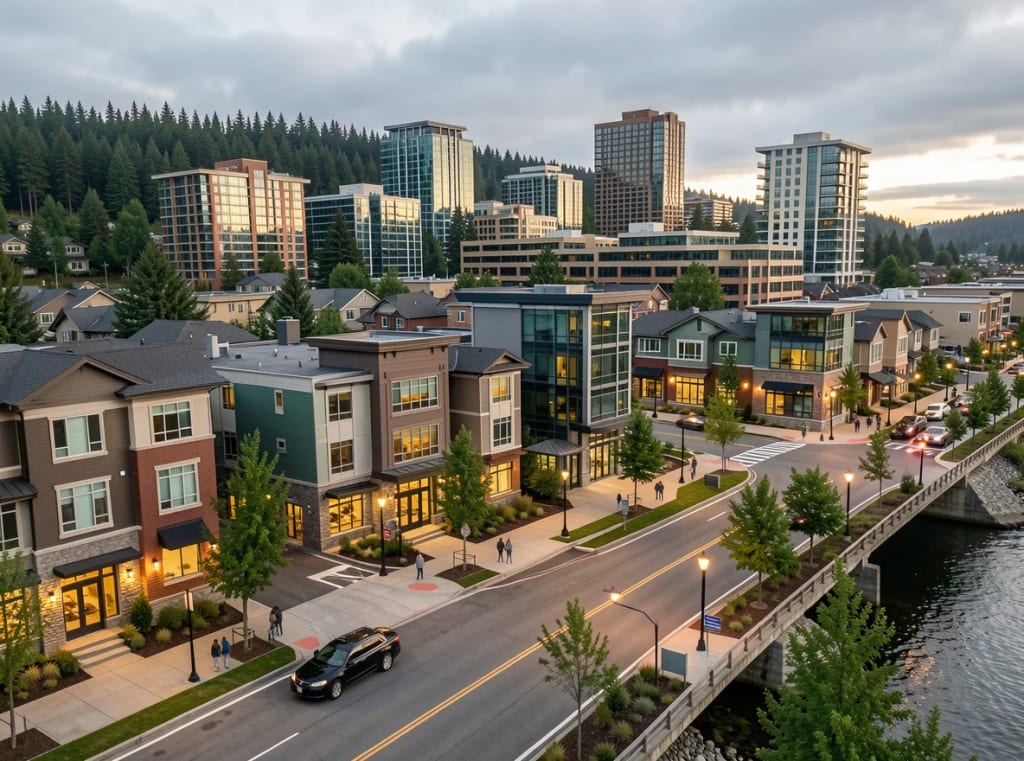
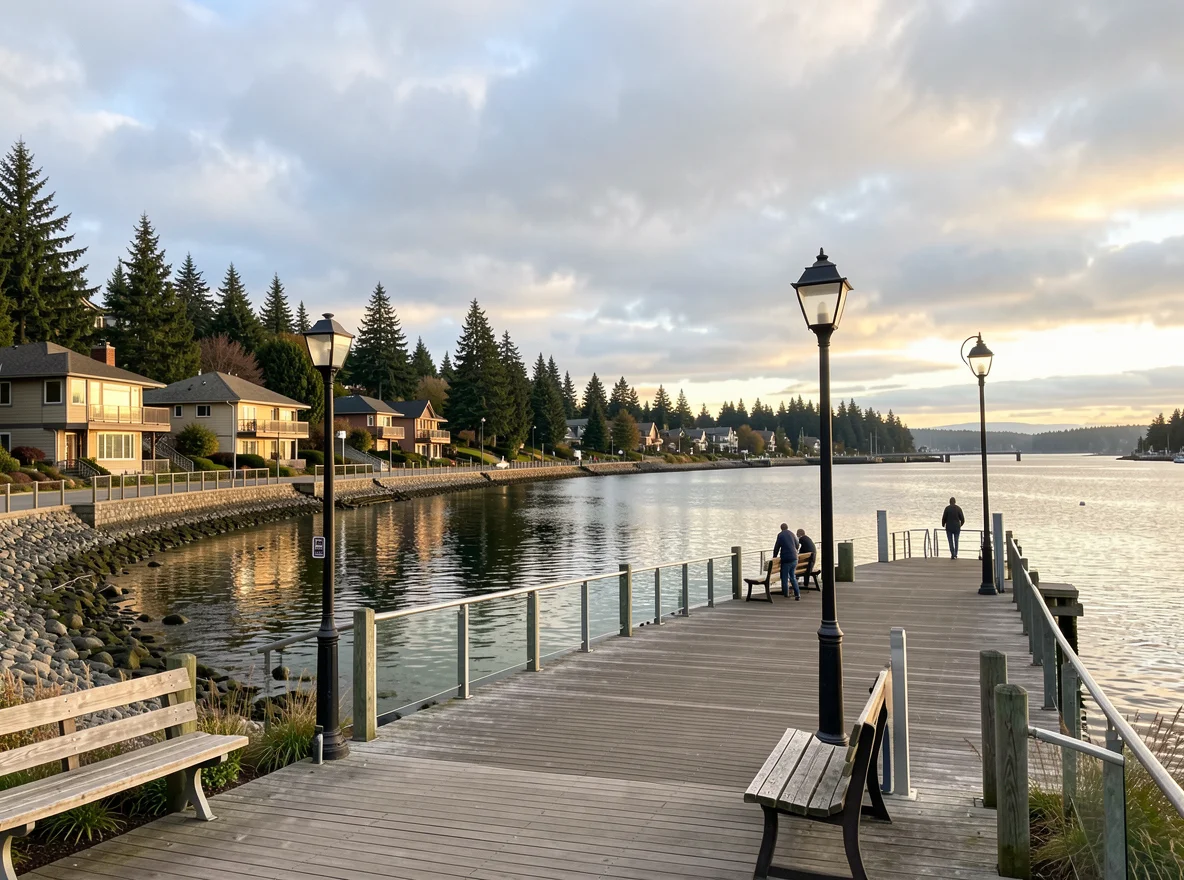
Western communities closer to the Sound frequently attract attention for marine views, established neighborhoods, and stronger ties to larger employment centers. Areas near Everett, Mukilteo, and other western corridors can command premiums because they blend convenience with scenery. Commute times matter, and so does perception: buyers often pay more for neighborhoods that feel connected to both urban amenities and outdoor beauty. Even a partial water view or a bluff-side position can add emotional appeal that pushes one property ahead of another in a competitive search.
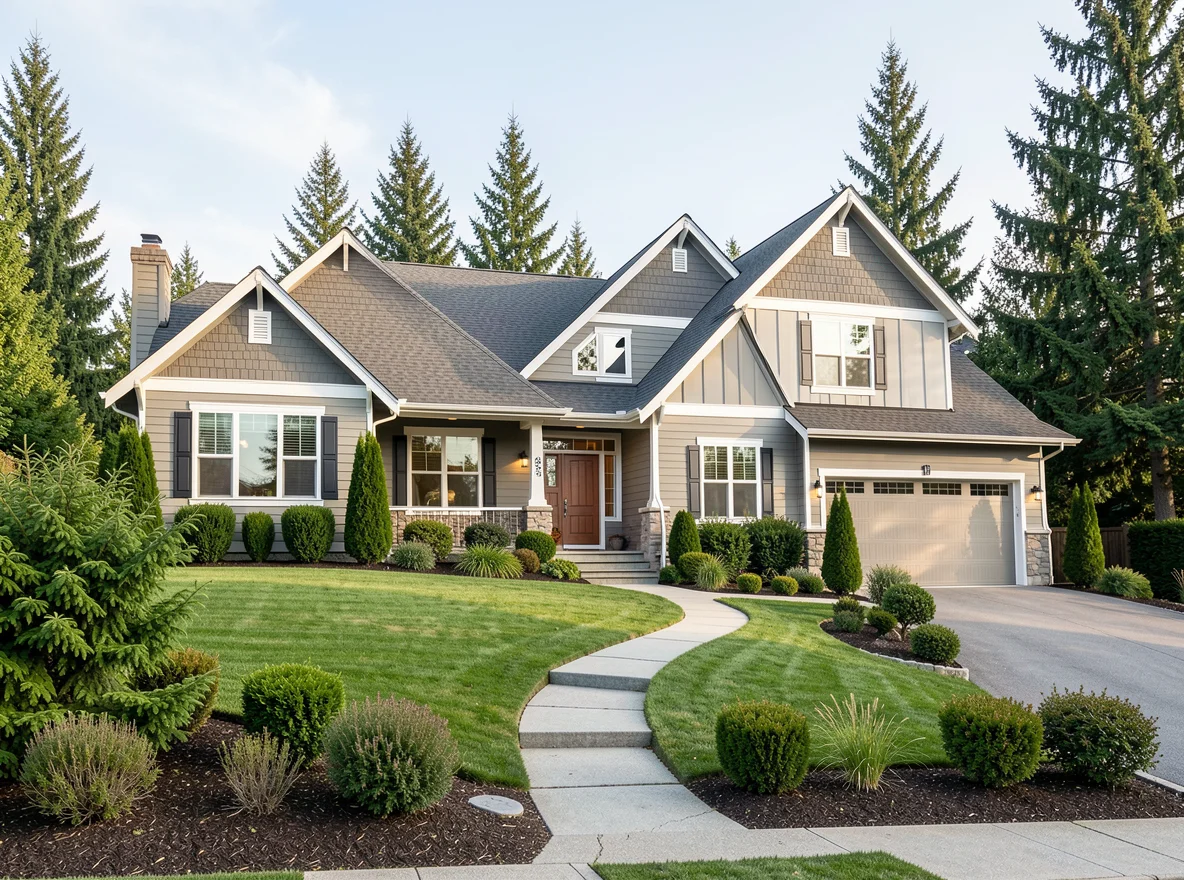
By contrast, central and eastern parts of Snohomish County often draw buyers who prioritize space, privacy, and a different rhythm of living. Larger lots, mountain outlooks, and access to trails, rivers, and open land can make those locations especially appealing to move-up buyers and households seeking breathing room. Yet geography creates tradeoffs. A home with acreage may offer lifestyle value that feels priceless to one buyer while another sees longer drives, more weather-related maintenance, and fewer nearby daily conveniences. That tension between freedom and access is central to how values form across the county.
Elevation, Water, and Commute Corridors All Influence Price
Elevation is one of the more subtle drivers of value. In some neighborhoods, a slightly higher perch can mean more sunlight, broader territorial views, and reduced concern about standing water compared with lower-lying pockets. Buyers do not always say, “I want 80 more feet of elevation,” but they do respond to the benefits that come with it. Better outlooks, a sense of privacy, and confidence in the site itself often translate into stronger demand.
Water is another powerful factor, though not always in the same way. Waterfront and water-view homes tend to generate premium pricing because they offer a limited amenity that cannot be replicated through renovation. At the same time, informed buyers also think about shoreline regulations, bluff stability, maintenance exposure, and insurance costs. In Snohomish County, geography can add beauty and caution in the same breath, and savvy home shoppers weigh both.
Then there is the daily reality of movement. Highway access, bridge routes, and major commuter patterns have a measurable effect on what buyers are willing to spend. Homes that make it easier to reach Everett, Seattle-bound corridors, Paine Field-area employment, or regional services often enjoy broader demand pools. A scenic location may still be desirable, but if the commute feels unpredictable or overly long, that can soften interest or narrow the buyer audience. Geography is not just scenic backdrop; it is time, and time carries real value.
School decisions are shaped by geography as well. Families frequently target specific attendance areas, and boundaries can dramatically shift demand from one side of a line to another. Add in topography, road layout, and neighborhood connectivity, and the picture becomes even more complex. A home that is technically close “as the crow flies” may feel less convenient if traffic patterns or limited routes complicate the trip. Local guidance becomes especially important in a county where those micro-location differences can have major financial consequences.
Lifestyle Geography: What Buyers Picture After Move-In
Beyond measurable pricing factors, Snohomish County geography shapes something less tangible but just as important: imagination. Buyers picture weekend habits when they tour homes. Some imagine quick access to waterfront walks, marinas, and village-style gathering spaces. Others envision trailheads, fishing spots, cycling routes, and mountain-oriented day trips. Because the county offers so many distinct settings, buyers often choose a location based on the lifestyle they want to step into immediately after closing.
That lifestyle dimension supports value in different ways across the market. A western neighborhood may win because it feels polished, connected, and close to established amenities. A foothill or valley setting may appeal because it feels restorative and private. A suburban pocket near schools, parks, and shopping corridors may hold value through practical livability. There is no single “best” geography for every buyer; there are multiple value systems, and each one maps differently onto the county.
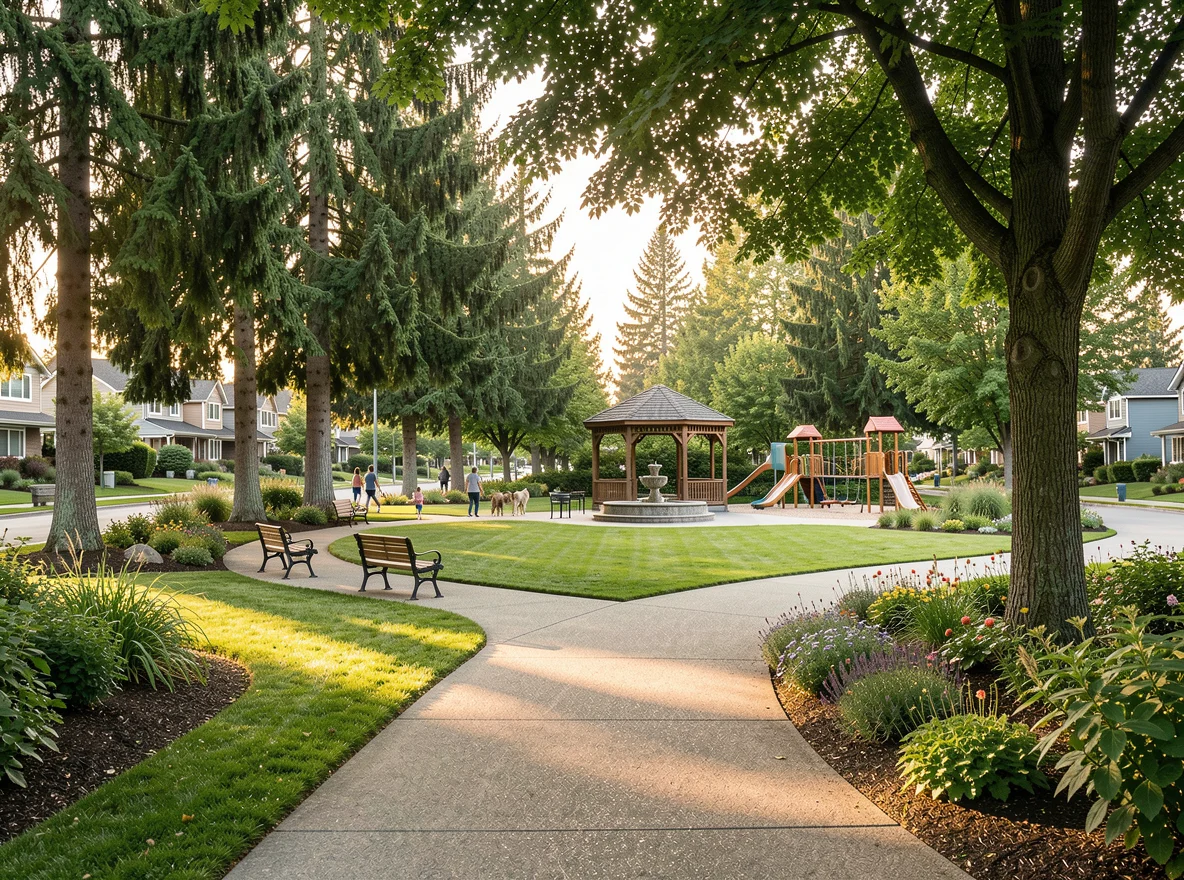
Recreation also reinforces buyer confidence. Communities with access to parks, waterfront activity, golf, hiking, and open-air gathering spaces often feel easier to enjoy year-round, even during the gray months that define western Washington. That matters for resale because homes tied to an active, desirable pattern of living tend to remain compelling to future buyers. Geography creates routine, and routine creates attachment.
For sellers, understanding this can change how a home is positioned in the market. The story should never stop at finishes and floor plans. A property’s relationship to topography, transit routes, schools, work centers, and recreation often explains why a buyer will stretch emotionally and financially. The strongest marketing highlights not just the house, but the geographic advantages that shape life around it.
Reading the Map with a Local Strategy
In a county this diverse, broad averages rarely tell the whole story. One neighborhood may outperform because of a view corridor, another because of commuter convenience, and another because of lot size and privacy. Buyers who understand those differences can make smarter offers, and sellers who recognize them can price with more confidence. That is where local representation matters. With support through The Preview Group Everett office and direct access to Jeffery Gange, clients can interpret not just listings, but the terrain, patterns, and neighborhood dynamics behind them.
Ultimately, Snohomish County real estate is shaped by more than inventory and interest rates. Hillsides, shorelines, arterial routes, school boundaries, and recreation access all influence what buyers feel, fear, and value. When you understand the geography, you understand the market more clearly—and that perspective can lead to better decisions whether you are buying your first home, relocating, or preparing to sell.